Destruction and Uneven Recovery: Mongol Iran
The Mongol conquests brought mass killing, depopulation, fiscal disruption, and damage to agriculture across much of the Iranian world, but their effects differed by place and changed over time. This tour follows conquest, plague, environmental pressures, conversion, patronage, and an uneven recovery without treating catastrophe or revival as a single permanent verdict.
 Start this guided tour on the map
Part 1
In 1206 Temüjin was acclaimed Chinggis Khan. After relations with the Khwarazmshah broke down, Mongol armies entered Central Asia and the eastern Iranian world in 1219. Bukhara, Samarqand, Marv, Nishapur, and other centers suffered conquest and, in several cases, devastating massacres. Medieval totals are rhetorical and cannot supply exact casualty counts, but the scale of destruction and displacement is not in doubt.
- Čengīz Khan — Encyclopaedia Iranica
Part 2
War, flight, and the destruction or abandonment of settlements sharply reduced production in many districts. Irrigation works and cultivated land suffered, while insecure tenure and heavy, irregular demands compounded rural losses. Pastoral land use also expanded in some areas. These were serious environmental and economic changes, not proof that nomads were incapable of understanding irrigation or that every damaged landscape remained barren forever.
- Economy v. From the Arab Conquest to the End of the Il-Khanids (Part 2) — Encyclopaedia Iranica
Part 3
Saʿdi lived through the century of Mongol expansion, but the itinerary later assigned to him contains uncertainty and should not be treated as a record of witnessing every ruined city. His Bustan appeared in 1257 and the Golestan in 1258. Their compact stories and counsel address justice, conduct, vulnerability, and power; their historical force does not depend on turning them into a single program for healing a traumatized civilization.
- Saʿdi — Encyclopaedia Iranica
- Golestān-e Saʿdi — Encyclopaedia Iranica
Part 4
Shiraz avoided the fate of several eastern cities through accommodation with successive rulers and remained an important literary center. Hafez lived there in the fourteenth century amid political instability after the Ilkhanate. His ghazals use wine, love, piety, hypocrisy, and the figure of the Magian tavern in deliberately shifting ways. Reading that ambiguity as a permanent national habit or as a coded survival of one ancient doctrine goes beyond what his poems and biography securely establish.
- Hafez i. An Overview — Encyclopaedia Iranica
- Hafez ii. Hafez's Life and Times — Encyclopaedia Iranica
Part 5
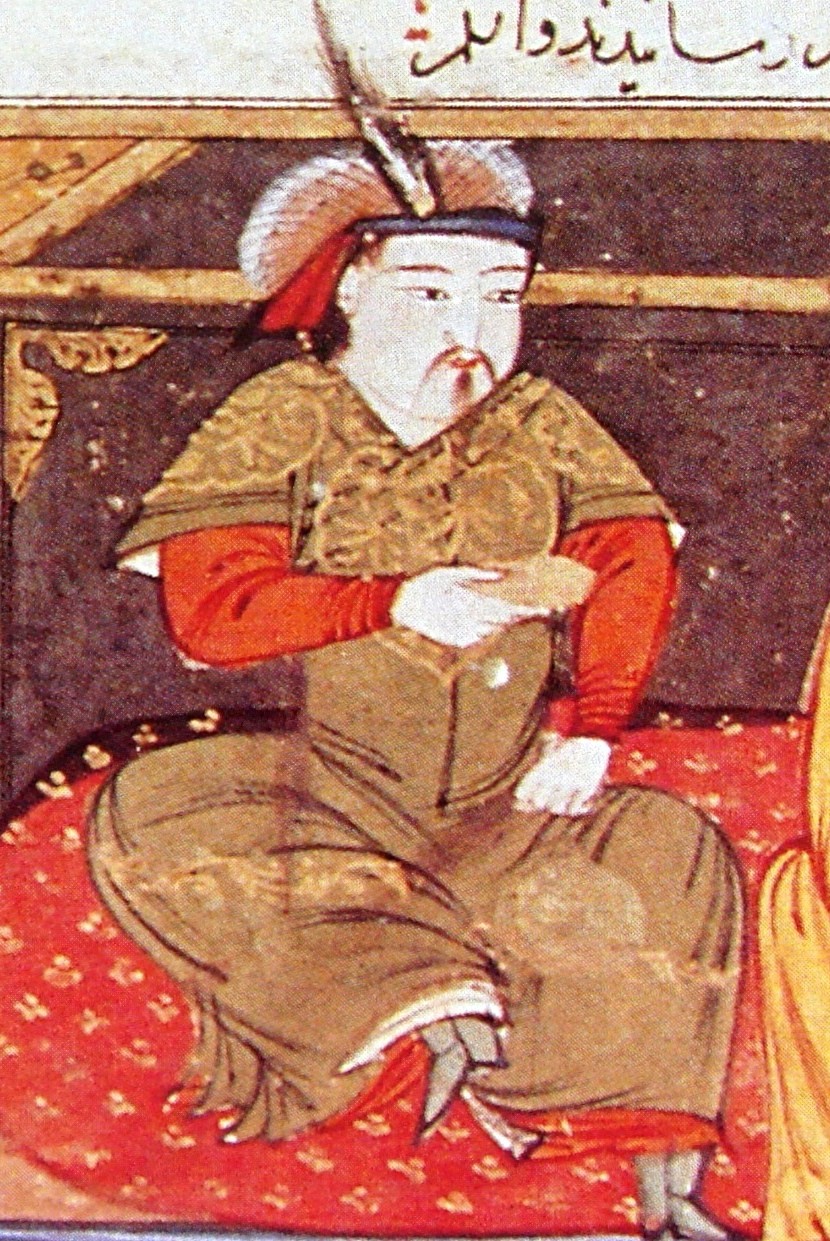
Ilkhanid rule changed across generations. Ghazan converted to Islam in 1295 and relied on Muslim administrators, while court patronage supported Persian historiography, manuscript production, architecture, and exchange with other parts of Eurasia. His fiscal and monetary reforms sought more regular government after decades of disruption, though reform did not erase coercive taxation or produce equal recovery everywhere.
- Il-Khanids i. Dynastic History — Encyclopaedia Iranica
- Ḡāzān Khan, Maḥmud — Encyclopaedia Iranica
Part 6
The Ilkhanate fractured after Abu Saʿid's death in 1335, and competing houses ruled different regions. Plague reached the Iranian world in the later 1340s, adding another demographic shock whose local scale is difficult to measure. Some cities, routes, and cultivated districts revived; others recovered slowly or lost earlier importance. Mongol rule therefore left deep human, fiscal, and environmental effects, but no single line of permanent decline describes all of Iran.
- Chobanids — Encyclopaedia Iranica
- Economy v. From the Arab Conquest to the End of the Il-Khanids (Part 2) — Encyclopaedia Iranica