Cyrus the Great: From Anshan to Empire
Trace Cyrus II from Anshan to an empire spanning Media, Lydia, and Babylonia. Contemporary records and later traditions reveal both his achievements and the limits of what can be known about his ancestry, conquests, policies, and death.
 Start this guided tour on the map
Part 1
Cyrus II emerged from the royal house of Anshan in southwestern Iran. His inscriptions name Teispes, Cyrus I, and Cambyses I among his forebears, but the precise political relationship between Anshan and the Medes before his revolt remains uncertain.
- Cyrus III. Cyrus II the Great — Encyclopaedia Iranica
Part 2
Around 550 BCE, Cyrus defeated Astyages and took Ecbatana. The Babylonian chronicle says Astyages's troops rebelled and handed him over; Herodotus supplies a much fuller story involving Harpagus, but its dramatic details belong to later Greek tradition.
- Cyrus III. Cyrus II the Great — Encyclopaedia Iranica
- Media — Encyclopaedia Iranica
Part 3
Cyrus next conquered Lydia and its capital Sardis. The often-repeated date 547 BCE depends on a disputed restoration of a damaged chronicle, while the stories of Croesus and the Delphic oracle come from Greek literary tradition. Persian commanders then subdued the Greek cities of western Anatolia.
- Cyrus III. Cyrus II the Great — Encyclopaedia Iranica
Part 4
Babylon fell to Cyrus in 539 BCE. The Babylonian chronicle reports that the city was taken without battle, whereas Greek narratives describe events differently. The Cyrus Cylinder presents the conquest in Babylonian royal language, portraying Cyrus as favored by Marduk and as a restorer of temples and cults.
- Cyrus III. Cyrus II the Great — Encyclopaedia Iranica
- Cyrus Cylinder — Encyclopaedia Iranica
Part 5
Ezra attributes permission for Judean exiles to return and rebuild the Jerusalem temple to Cyrus. The Cyrus Cylinder describes the restoration of sanctuaries and displaced communities in Babylonia, but it does not name Judeans or Jerusalem; the two records should not be treated as the same decree.
- Cyrus III. Cyrus II the Great — Encyclopaedia Iranica
- Cyrus Cylinder — Encyclopaedia Iranica
Part 6
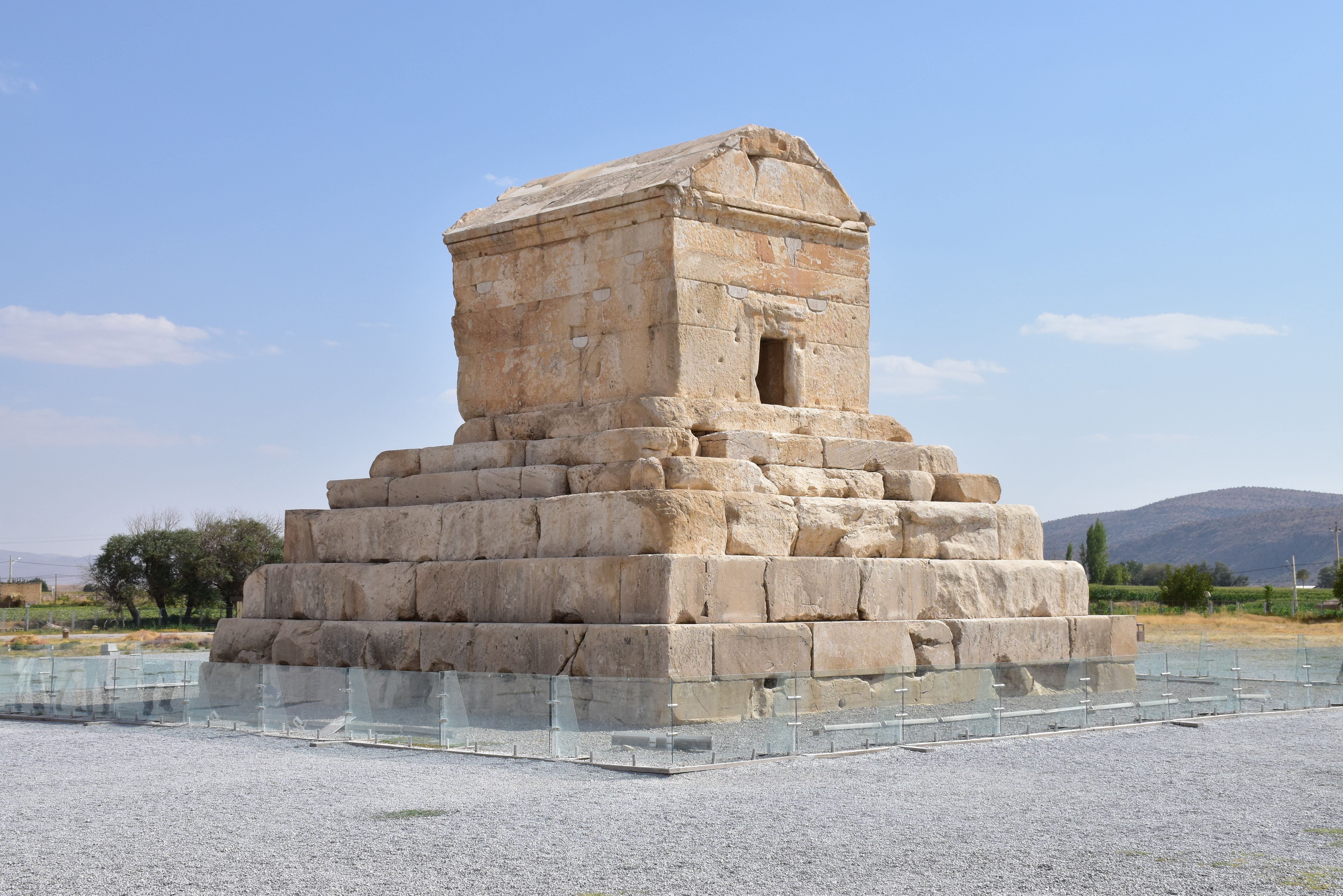
Cyrus died around 530 BCE on an eastern campaign. Ancient accounts disagree about where and how. Herodotus's famous story places his death in war against the Massagetae under Queen Tomyris, but it is one version among several and cannot be confirmed.
- Cyrus III. Cyrus II the Great — Encyclopaedia Iranica
Part 7
Cambyses II inherited Cyrus's realm and conquered Egypt in 525 BCE. Egyptian documents attest his pharaonic rule, while hostile stories about madness and sacrilege are concentrated in later classical narratives and require caution.
- Cambyses — Encyclopaedia Iranica
Part 8
After Cambyses died in 522 BCE, Darius seized power. At Bisotun he declared that a Magus named Gaumata had impersonated Bardiya and that Darius restored legitimate rule. This is the victor's official account; the usurper's identity and Darius's path to the throne remain debated.
- Darius III. Darius I the Great — Encyclopaedia Iranica
- Magi — Encyclopaedia Iranica
Part 9
Darius consolidated the realm through taxation, roads, chancelleries, and provincial government while adapting institutions with deeper Near Eastern precedents. At Persepolis, the Apadana stairway shows twenty-three gift-bearing delegations, though some identifications remain uncertain. The site's connection with Nowruz is a scholarly hypothesis, not an established fact.
- Darius III. Darius I the Great — Encyclopaedia Iranica
- Achaemenid Satrapies — Encyclopaedia Iranica
- Persepolis — Encyclopaedia Iranica
- Nowruz I. In the Pre-Islamic Period — Encyclopaedia Iranica