Pahlavi Iran: State Building, Oil, Reform, and Revolution
Between the 1921 coup and the 1979 revolution, the Pahlavi state centralized authority, expanded education and infrastructure, restricted political participation, survived foreign occupation, confronted oil nationalization, and pursued rapid reform. The 1953 coup was one major cause of later distrust among authoritarian repression, economic and social transformation, religious organization, uneven development, and international pressures. In 1979 a broad coalition overthrew the monarchy, while Shi'i networks and Khomeini's leadership were already central to mass mobilization.
 Start this guided tour on the map
Part 1
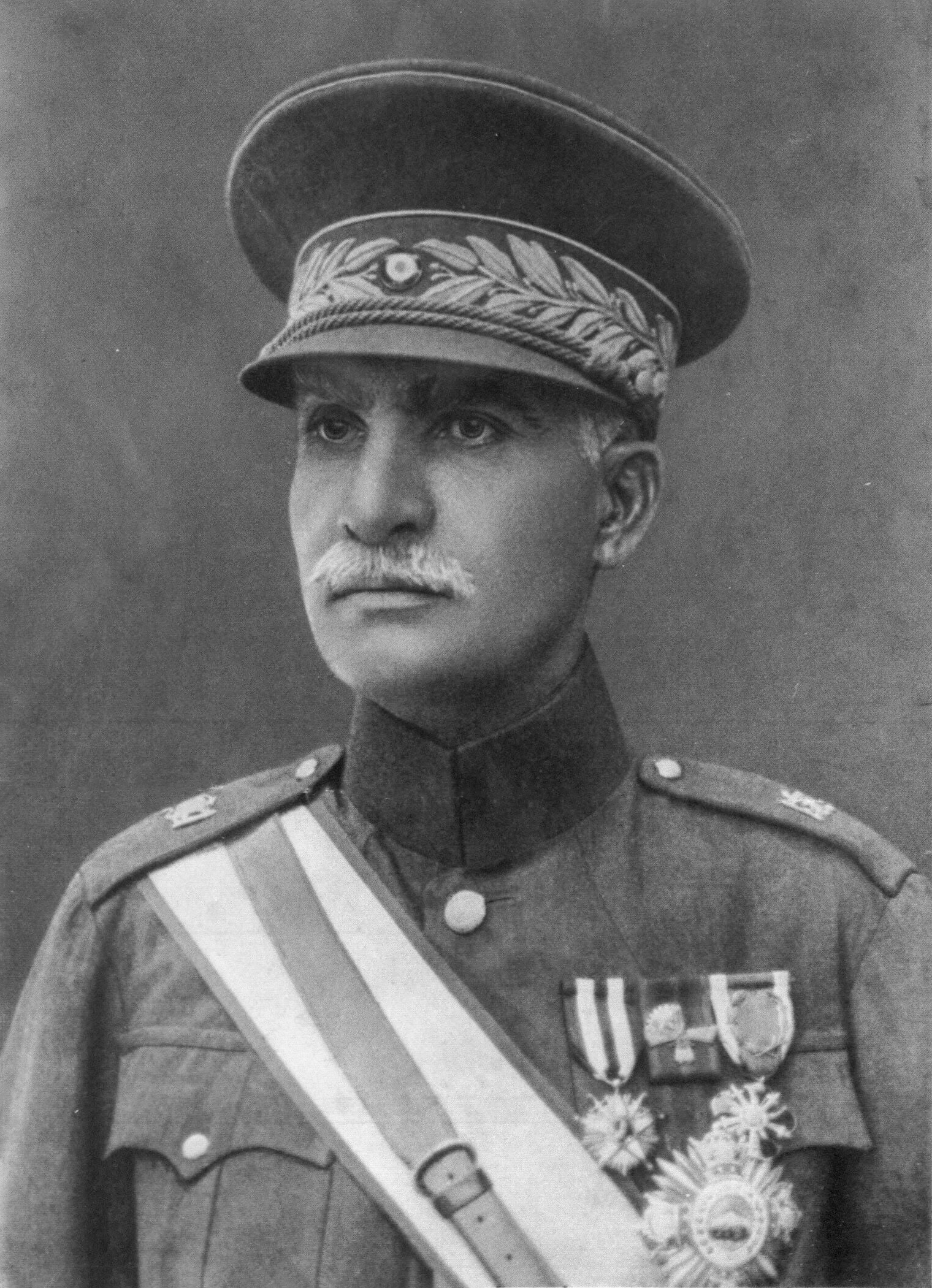
Reza Khan emerged from the Iranian Cossack Brigade as the military force behind the February 1921 coup, became prime minister, and was made shah after the Majles ended Qajar rule in 1925. His government built a stronger army and bureaucracy, expanded roads, railways, secular courts, schools, and Tehran University, and reduced tribal and clerical autonomy. These changes strengthened the central state, but they were joined to authoritarian rule: parties and unions were suppressed, the press was restricted, elections were controlled, and compulsory unveiling exposed women who resisted it to state coercion. Modernization brought real institutional change without making those institutions democratically accountable.
- Feminist Movements iii. In the Pahlavi Period — Encyclopaedia Iranica
- Pahlavi Dynasty — Encyclopaedia Britannica
Part 2
British and Soviet forces invaded neutral Iran in August 1941. They sought secure oil and a supply route to the Soviet Union and cited Reza Shah's refusal to remove German nationals. Reza Shah abdicated, and his son Mohammad Reza became shah while the country remained occupied. Wartime inflation and foreign military power imposed heavy costs, yet the weakening of royal control also opened space for newspapers, parties, unions, and parliamentary politics. Soviet support for autonomous governments in Azerbaijan and Mahabad created another crisis before Soviet withdrawal in 1946. The period combined violated sovereignty with a genuine, if unstable, political opening.
- Pahlavi Dynasty — Encyclopaedia Britannica
- Mohammad Reza Shah Pahlavi — Encyclopaedia Britannica
Part 3
Mohammad Mosaddegh led the National Front, a coalition committed to oil nationalization and limits on royal power. After the Majles nationalized the British-owned oil industry, he became prime minister in April 1951. Britain answered with sanctions, a blockade of Iranian oil, and covert efforts to remove him. Mosaddegh also faced domestic conflict: parts of his coalition broke away, relations with the shah and Majles deteriorated, and disputes over emergency powers intensified. Nationalization made sovereignty over oil a mass political demand, but the crisis cannot be reduced to a flawless democratic government confronting only foreign enemies; Iranian institutions and political alliances were themselves sharply contested.
- Coup d'Etat of 1332 Š./1953 — Encyclopaedia Iranica
- Pahlavi Dynasty — Encyclopaedia Britannica
Part 4
The coup that the CIA and MI6 organized against Mosaddegh combined foreign planning and money with the shah's decrees and the actions of Iranian officers, politicians, agents, clerics, crowds, and citizens. An initial attempt failed on 15 August 1953 and the shah fled; on 19 August pro-coup forces seized key sites and Mosaddegh's government fell. He was imprisoned and then kept under house arrest. The coup strengthened Mohammad Reza Shah and narrowed organized political life, while memories of foreign intervention outlasted the participants. It was one major cause of opposition to the monarchy, not an explanation that replaces later authoritarian repression, economic change, social conflict, religious organization, or shifting international conditions.
- Coup d'Etat of 1332 Š./1953 — Encyclopaedia Iranica
- Foreign Relations of the United States, 1952–1954, Iran, 1951–1954 — Office of the Historian, U.S. Department of State
Part 5
The White Revolution began in 1963 with land redistribution, women's suffrage, literacy and health corps, profit sharing, and other measures that later expanded. It widened education, changed landholding and family law, and opened opportunities for many women, but benefits were uneven and state-sponsored organizations displaced independent participation. Land reform also disrupted rural economies and accelerated migration to cities. Political parties remained constrained and security repression deepened. Khomeini was already a prominent organizer of religious opposition in 1963; after his 1964 exile, messages, students, senior clerics, mosque networks, and allied organizations maintained his political presence. Reform and coercion therefore developed together.
- Khomeini i. Life — Encyclopaedia Iranica
- Feminist Movements iii. In the Pahlavi Period — Encyclopaedia Iranica
- White Revolution — Encyclopaedia Britannica
Part 6
In October 1971 the monarchy held an international celebration at Persepolis and Pasargadae to mark 2,500 years since Cyrus. The ceremonies connected the Pahlavi state to ancient kingship and displayed Iran's diplomatic ambitions. They also became a target for opponents: from exile, Khomeini condemned both monarchy and the celebration's extravagance. The pageant should not stand for the whole of Pahlavi cultural policy, and criticism of it did not make Cyrus, Persepolis, or pre-Islamic history culturally unspeakable for a generation. Iranians continued to interpret that past through scholarship, tourism, nationalism, religion, art, and political debate, none of which belonged exclusively to the court.
- Khomeini i. Life — Encyclopaedia Iranica
- Persepolis — Encyclopaedia Iranica
Part 7
The revolution of 1978–79 was made by a broad coalition that included religious activists, bazaar networks, workers, students, liberals, nationalists, Marxists, guerrilla organizations, professionals, and women from different political currents. Yet this diversity does not mean that the movement was initially non-Islamist or leaderless. Shi'i networks, mosques, mourning cycles, religious language, and Khomeini's leadership were already central to coordination and mass legitimacy before the monarchy fell. Authoritarian exclusion, SAVAK repression, uneven economic and social transformation, inflation and dislocation after the oil boom, religious organization, the monarchy's foreign ties, and memories including 1953 all contributed in different ways. After the shah left and the army declared neutrality, the coalition fractured as Khomeini and clerical institutions consolidated an Islamic Republic.
- Khomeini i. Life — Encyclopaedia Iranica
- Feminist Movements iii. In the Pahlavi Period — Encyclopaedia Iranica
- Iranian Revolution — Encyclopaedia Britannica